
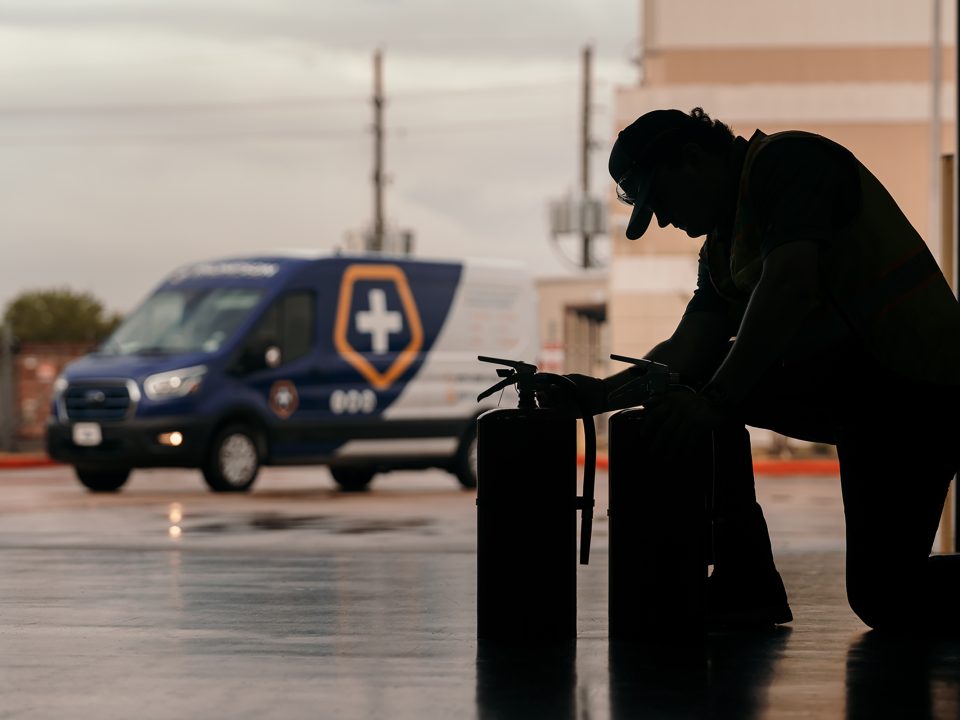
Special Hazard Systems
From paint booth to server rooms, Thompson knows that each suppression system is different, and proper service depends on the booth type, chemical agent, ventilation design, and fire risk level.
Thompson provides inspection, testing, maintenance, and repair services for a variety of special hazard suppression systems, helping you stay compliant with NFPA 33, local AHJ requirements, and manufacturer standards so your system performs when it matters most.
Service Overview
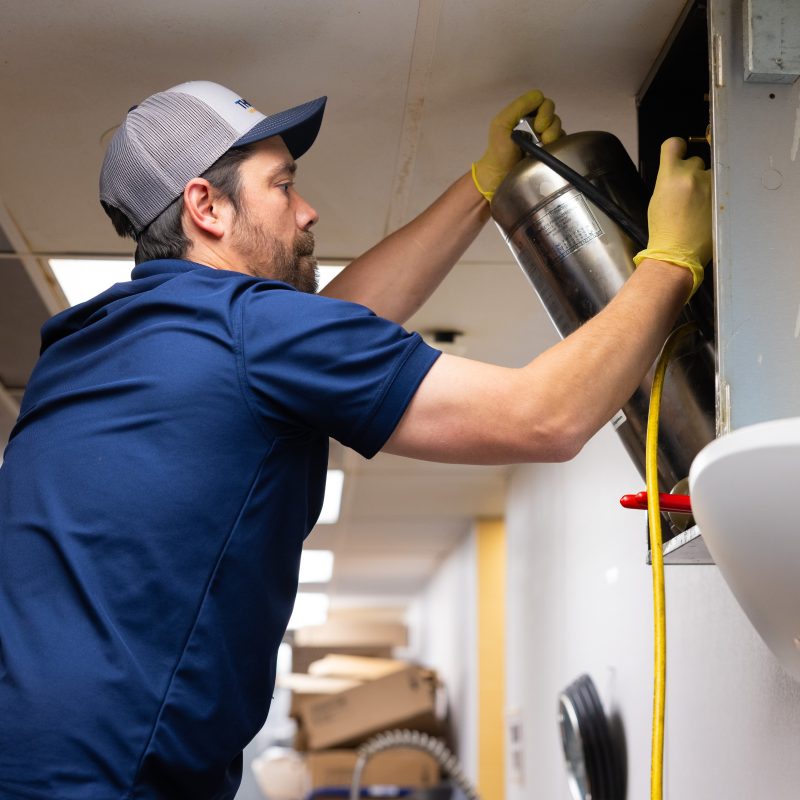
Special hazard systems are among the highest fire-risk areas in manufacturing and other industrial environments. Flammable vapors, overspray residue, and ignition sources can lead to fast-moving fires without warning. Thompson Fire Protection provides full lifecycle support for special hazard suppression systems.
How It Works
- Facility Assessment: Our technicians work with you to evaluate system layout, hazard exposure, and suppression coverage to identify gaps and optimize protection.
- Inspection & Testing: We conduct inspections and functional testing in accordance with NFPA standards, manufacturer requirements, and local code expectations.
- Maintenance & Repairs: We service, repair, re-charge, and replace system components to help ensure reliability and readiness.
- Compliance Documentation: Detailed inspection reports, tags, and service records help support your AHJ reviews, insurance audits, and internal safety programs. All available on an industry-leading portal.
- Ongoing Support: Our team provides responsive scheduling and service support to help your suppression program stay compliant and reliable.

System Types We Service
Thompson Safety inspects and maintains all major fire suppression system types, including:
- Paint booths / Spray booths
- Data centers and Server rooms
- Commercial kitchens / Restaurant hoods
- Control panels / Machinery spaces
- Marine suppression
Popular systems we maintain:
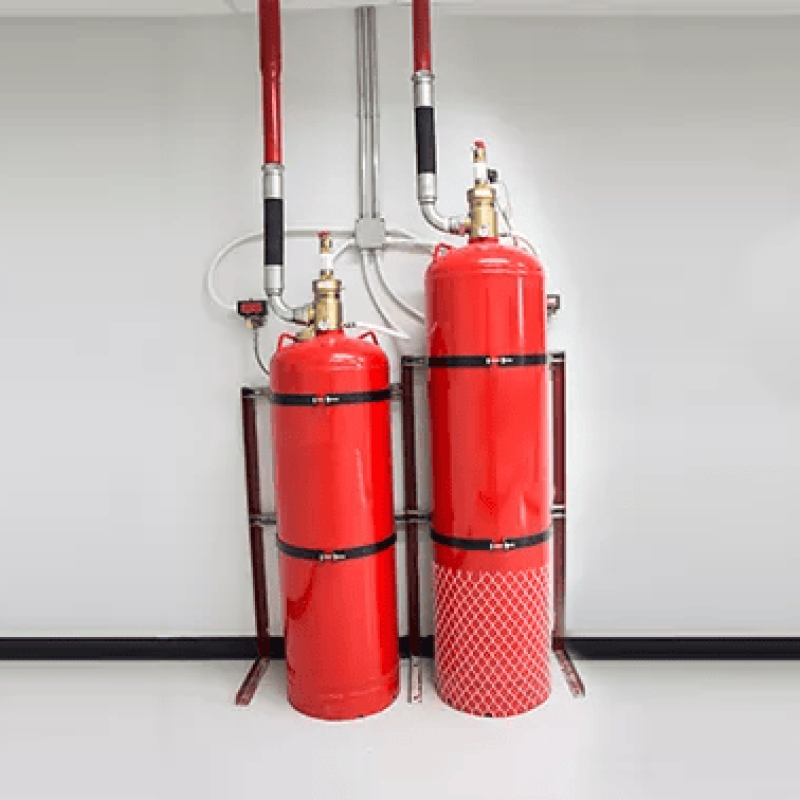
- INERGEN®
- Novec™ 1230
- FM-200® systems
- FIRETRACE®
- Inert gas (oxygen reducing systems)
- N2 nitrogen
- Clean Agent suppression systems
- CO2 suppression systems (high pressure / low pressure)
- Water mist
- Dry Chemical
- Wet foam systems
How Special Hazard Systems Work
Suppression fires spread quickly due to flammable vapors and confined airflow. Special hazard systems are engineered to respond automatically and rapidly when fire is detected.
Most special hazard systems work through four key stages:
- Detection: Advanced heat, flame, or smoke detection devices monitor the booth and exhaust system for early signs of fire.
- Activation: When a fire is detected, the system triggers without manual intervention to initiate suppression.
- Suppression: A specialized extinguishing agent is discharged into targeted high-risk areas, such as:
- Booth interiors
- Exhaust plenums and ductwork
- Overspray collection zones
- Mixing or solvent storage space
- Control & Protection: Fast suppression limits fire growth, protects personnel, and significantly reduces equipment damage and production downtime.
Routine inspection and service ensure these systems activate correctly when needed.

Compliance Standards
Special hazard suppression systems are governed by standards and requirements including:
- NFPA 33: Spray Application Using Flammable Materials
- NFPA 17 / 17A: Chemical Suppression Standards
- OSHA workplace fire protection regulations
- AHJ: Local Authority Having Jurisdiction requirements
Regular inspection, service, documentation, and adherence to required inspection intervals help maintain compliance and reduce liability. Thompson Safety helps ensure your facility stays compliant, protected, and inspection ready.
Frequently Asked Questions
Inspection frequency depends on the system type, manufacturer requirements, and local codes. Most facilities require routine service at least semi-annually or annually to remain compliant and ensure the system will activate properly in an emergency.
Paint booth suppression systems are typically designed to protect multiple high-risk zones, including:
- Booth interiors
- Exhaust plenums and ductwork
- Overspray collection areas
- Mixing rooms or solvent storage spaces
Proper coverage is critical because fires can spread quickly through ventilation systems.
Common ignition sources include:
- Flammable vapor buildup
- Static discharge during spraying
- Sparks from tools or equipment
- Overspray residue accumulation
- Electrical or mechanical malfunction
Suppression systems are designed to respond automatically before these hazards escalate.
Yes. Thompson provides inspection, maintenance, and upgrade support for both new and existing paint booth suppression systems. We can evaluate your current protection and recommend code-compliant improvements when needed.
Yes. Every inspection and service includes digital and written reports for easy submission to your AHJ or insurance providers.
Paint booths that use flammable or combustible materials are often required to have suppression systems per NFPA 33, local fire codes, and AHJ mandates.
Ready to Get Started?
Don’t wait for an incident to expose gaps in fire protection. Thompson Safety is ready to inspect, maintain, and support your paint booth fire suppression system with trusted expertise and comprehensive service. Request a quote today to schedule service or an onsite assessment.
Request QuoteDISCLAIMER: The content provided on this website is intended solely for informational purposes. While Thompson Safety strives to offer reliable and accurate information, we shall not be held liable for any errors or omissions in the featured content. The material presented does not constitute professional advice. Users relying on this information pertaining to our products or services are solely responsible for independently verifying the accuracy of the information from trustworthy sources, including the product manufacturer, business policy/procedures, NFPA, and their local Authority Having Jurisdiction (AHJ). Our service offerings may vary by market, and not all services are available in all markets.